Air Conditioning Repair Services: Essential Information for Effective Temperature Regulation
HVAC maintenance solutions are vital to guarantee perfect indoor temperatures inside houses Frequent malfunctions, such as poor cooling or unusual sounds, often point to the requirement for prompt service Understanding the intricacies of service fees along with the value of scheduled servicing can enhance system performance That said, it is crucial to choose certified HVAC professionals What factors must residents weigh when confronted with cooling issues? They might find the information surprising
Common Air Conditioning Problems and Indicators
If an AC unit fails to operate effectively, it often presents specific problems and warning signs that suggest repairs are necessary A typical concern involves poor temperature reduction, where the AC unit struggles to maintain the desired temperature This is often caused to insufficient coolant or a faulty compressor unit A further common sign is unusual noises, for example, grinding or hissing, which may indicate mechanical failure or leaks in the refrigerant line Additionally, an AC system that frequently cycles on and off, known as short-cycling, often suggests a faulty thermostat or airflow obstructions To conclude, water leaks around the unit suggest possible issues with drainage or obstructed condensate pipes Recognizing these symptoms early can help homeowners address issues promptly, maintaining peak efficiency and extending the unit's operational life
Knowing the Pricing for AC Servicing
Grasping the expenses involved in cooling system fixes is crucial for property owners Standard fees fluctuate significantly according to the required service, and various components impact these fees, such as the AC system's age and labor rates Reviewing these components allows homeowners to choose wisely when needing maintenance
Standard Repair Pricing
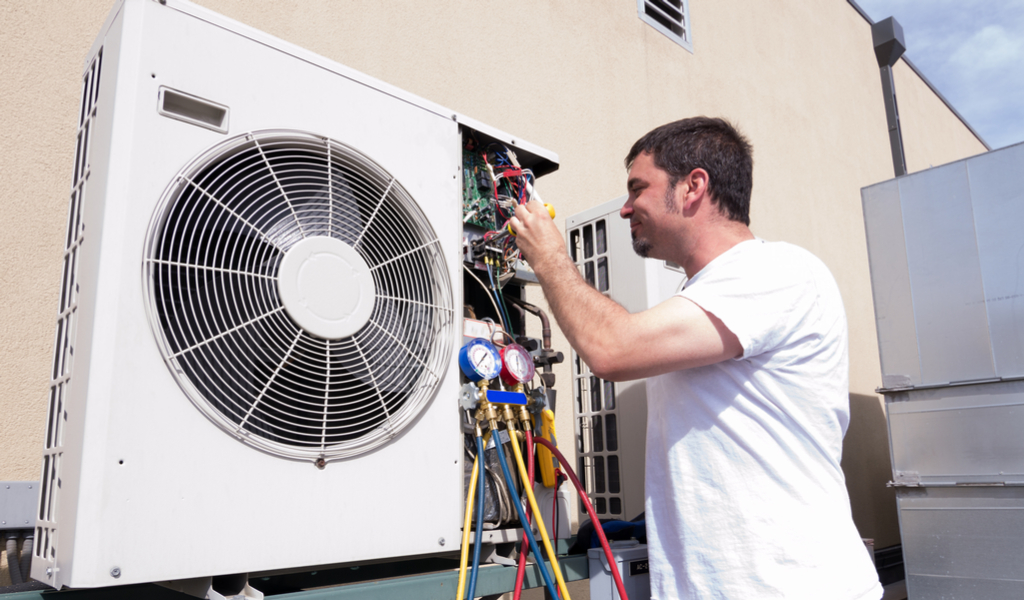
Air conditioning repairs can vary considerably in cost, influenced by factors such as the type of system, the nature of the problem, and the area where the work takes place. Common repair expenses typically include issues like loss of refrigerant, which can range from $200 to $1,500 depending on the seriousness, and fan motor or capacitor changes, which may cost between $100 and $600. Furthermore, faulty temperature controls can incur charges of $50 to $300 for service or substitution. Scheduled upkeep, while not technically a repair, comes with expenses that typically run from $75 to $150 per visit. Homeowners should budget for these expected expenditures to guarantee their air conditioning systems function well and reliably throughout the cooling season.
Cost Determinants
How do various elements impact the expense of HVAC fixes? A number of critical elements determine the final pricing connected with these services. Firstly, the type of repair required can greatly influence costs; minor fixes typically incur lower fees than extensive problems. In addition, the model and lifespan of the AC system influence the cost; older systems may require harder-to-find components or expert work. Furthermore, geographic location plays a role, as the cost of parts and work fluctuates based on location. Pricing can also be affected by seasonal needs, with the height of summer typically having higher charges. Finally, the expertise and standing of the AC company can affect costs, as experienced firms might ask for more for their knowledge and trustworthiness.
Why Regular Upkeep Matters
Consistent upkeep of HVAC equipment is essential for enhancing their efficiency and performance. Through scheduling regular inspections, they can save considerable money over time while also extending the lifespan of their equipment. Knowing why these service measures are necessary helps ensure more trustworthy and effective cooling solutions.
Better AC Functionality
Maintaining an air conditioning system is critical to achieving optimal function and energy savings - Richardson Air Conditioning Repair. Consistent upkeep, which involves changing or washing filters, verifying coolant levels, and examining all parts, helps prevent system strain and guarantees maximum air circulation. This forward-thinking strategy not only extends the lifespan of the unit but also improves its capacity to control interior climate effectively. Regular servicing enables technicians to catch developing issues quickly, lessening the possibility of sudden failures and expensive fixes. Furthermore, a diligently kept system runs silently and contributes to improved indoor air quality. By prioritizing regular maintenance, homeowners can experience steady cooling while boosting the AC unit's system effectiveness
Saving Money in the Long Run
Even though homeowners sometimes consider air conditioning maintenance as an needless cost, the eventual monetary advantages it offers can be substantial. Scheduled service allows detection of minor issues prior to them turning into major repairs, consequently sidestepping expensive urgent repairs. Furthermore, a well-maintained system operates more efficiently, which can lead to lower energy bills. In the long run, this efficiency translates into substantial savings, making the upfront cost in routine upkeep justified. Furthermore, maintenance can better the air inside, reducing health-related expenses for families. In short, prioritizing regular air conditioning maintenance doesn't just boost unit function but also contributes to meaningful financial savings over the equipment's duration, confirming its worth to homeowners.
Maximizing Unit Longevity
Proper air conditioning maintenance significantly extends the lifespan of the equipment. Routine maintenance, including inspecting refrigerant and purifying filters, ensures optimal function and efficiency. Failing to perform this service can cause excessive strain, ultimately shortening the unit's lifespan. Moreover, routine inspections can spot developing problems before they escalate into expensive fixes. By tackling minor faults promptly, homeowners can avoid significant breakdowns and increase the longevity of their air conditioning systems. In addition, diligently kept equipment function better, which can lead to lower energy bills. Investing in regular maintenance does more than ensure comfort but also ensures trustworthy temperature management for many seasons, underscoring the necessity of consistent care in air conditioning systems.
Selecting a Certified AC Professional
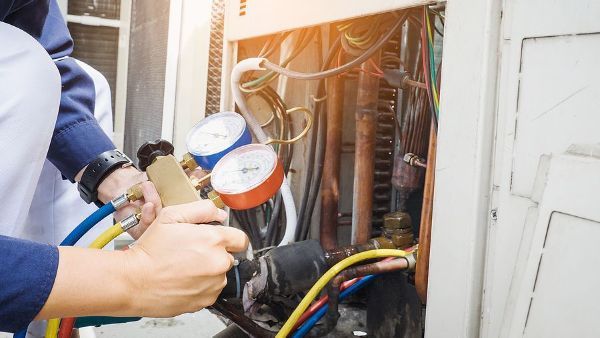
How can one guarantee they choose a competent HVAC technician? To begin, verifying credentials is vital; seek out technicians who hold certifications from recognized bodies like NATE or those with valid state licenses. In addition, the level of experience matters; technicians with many years in the industry are often better at diagnosing and repairing complex issues.
Asking for suggestions from friends, family, or internet reviews can provide valuable insights into a technician's reputation. After identifying potential candidates, asking for estimates and comparing pricing can show who offers fair and honest service.
Moreover, a qualified technician should possess deep understanding of various HVAC systems and be able to articulate the repair steps. Lastly, verify the technician gives warranties on their work, indicating their faith in the service provided. By following these guidelines, one can make an informed decision when choosing an HVAC technician, guaranteeing reliable climate control in their home.
DIY Troubleshooting Tips for Minor Issues
What steps can homeowners take to troubleshoot minor air conditioning issues before calling a professional? First, they should check the thermostat settings to verify it is configured to cooling mode and the correct temperature. Subsequently, checking the air filter for debris and dirt is crucial; a blocked filter hinders air movement, causing poor performance. Homeowners can also examine the outdoor unit for any obstructions, such as leaves or debris, that may hinder performance.
Another significant step is verifying that the circuit breaker hasn’t tripped, which could disrupt power to the system. In addition, checking that all registers are open and unobstructed supports proper air movement. Finally, monitoring for odd noises or looking for odd scents can help identify potential issues. Adhering to these simple diagnostic steps, homeowners can address minor air conditioning problems effectively before calling for professional help.
Signs It’s Time for a System Replacement
Following minor AC diagnostics, homeowners may find themselves questioning whether it's time for a system replacement. A few distinct indicators can indicate the necessity of an upgrade. First, if the appliance is over 15 years old, it may be not as efficient and at higher risk of breaking down. Furthermore, frequent repairs that exceed 50% of the cost of a new system mean replacement is probably the more cost-effective choice. Another red flag is uneven cooling throughout the home, which can indicate declining performance. Increasing utility costs also signal poor performance, as older systems often use more power than newer, efficient models. Finally, odd sounds or unusual scents can indicate major mechanical issues, necessitating further investigation. Overall, being aware of these warnings can assist residents in making smart choices about their air conditioning systems, guaranteeing optimal temperature regulation for their homes.
Advantages of Expert AC Maintenance
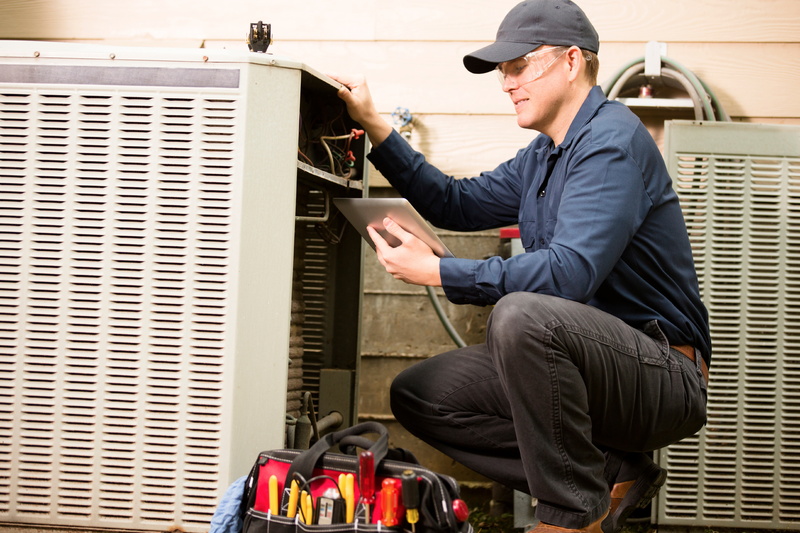
Specialized skill is vital in maintaining ideal air conditioning performance. Expert AC maintenance companies yield several positive outcomes, starting with detailed troubleshooting. Certified professionals can detect root causes that may not be visible to the untrained eye, ensuring complete fixes. This knowledge not only improves how well the system works but also prolongs the life of the AC, which saves owners cash on early system changes.
Additionally, professional services ensure adherence with safety standards and regulations, minimizing the possibility of unsafe breakdowns. consult now Regular maintenance performed by qualified personnel can make the air cleaner by stopping the accumulation of dirt and irritants within the system. Moreover, these services often offer protection plans, offering assurance and security against unexpected expenses. In conclusion, engaging professional air conditioning services contributes to peak performance, energy efficiency, and a better indoor climate, proving it is a smart choice for homeowners seeking reliable climate control.
Commonly Asked Questions
When Should I Book Expert AC Check-ups?
Professionals recommend scheduling air conditioning inspections a minimum of once per year, ideally before the cooling season. This routine upkeep ensures optimal operation, prolongs the unit's life, and spots minor problems before they become major financial burdens.
Can I Perform Maintenance Myself to Save Costs?
Absolutely, homeowners may carry out routine care activities such as filter cleaning and checking for debris. However, intricate servicing or thorough inspections must be handled by experts to guarantee safety and system efficiency, preventing potential costly issues later.
What Kind of Guarantees Are Usually Provided on Air Conditioning Repairs?
Generally, AC repair warranties span from one month up to twelve months. Richardson Air Conditioning Repair. These usually include parts and the work done, but specifics vary by service provider, emphasizing the importance of reviewing warranty terms prior to authorizing any work
How Much Time is Needed for an AC Repair?
AC system fixes generally require between one to four hours, depending on the issue's complexity. Factors such as parts availability and the skill level of the technician also play a role in the length of the repair process.
Are There Any Energy-Efficient Upgrades Available for My System?
Energy-saving improvements for AC units include programmable thermostats, variable-speed compressors, as well as highly efficient filters. These enhancements can greatly reduce energy consumption, resulting in reduced electricity costs and improved overall climate control in your house or place of work.